

MONDEA
Whittier, California’s Own
Different Kind of Gardener
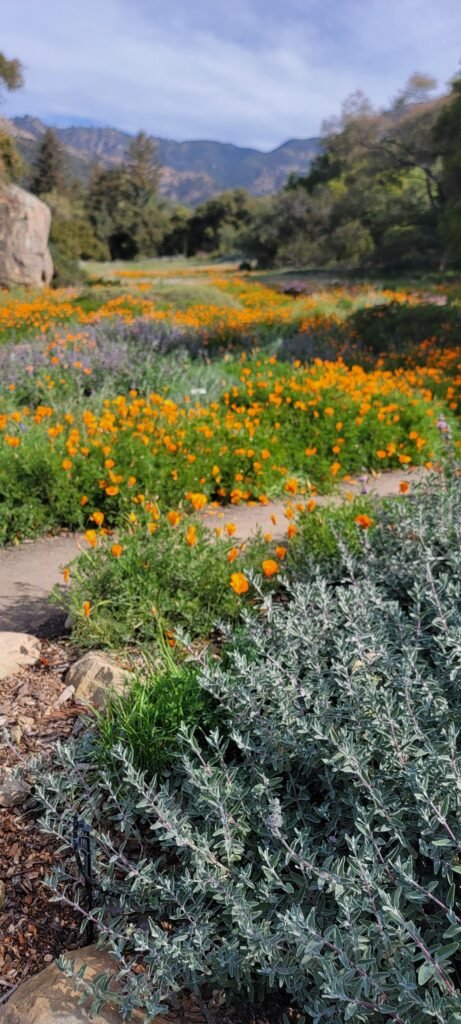
If your goal is to create or maintain a wildlife garden with beautiful flowers blooming all year long, then let us help!
Turn the tide on habitat loss and climate change by planting native plants. Together, our lawns make up an incredible opportunity to feed songbirds, hummingbirds, native bees and ladybugs.
Native plants naturally suppress weeds, require 1/7 the amount of water compared to a traditional lawn and generally don’t need expensive soil amendments or pesticides. A natural garden will quickly become a self-balancing garden where attracting insects is the goal. and their presence is an important foundation for a wildlife garden.
While a native garden takes some work to get started, a typical native garden needs a lot less maintenance compared to weekly or bi-weekly mowing. This style of maintenance doesn’t disturb the quiet morning vibes.
It isn’t rocket science but there is a lot to learn if you are just starting out!
Wilderama offers affordable advice, coaching and even plant-sitting. We can save you a lot of time and help you avoid many costly pitfalls.

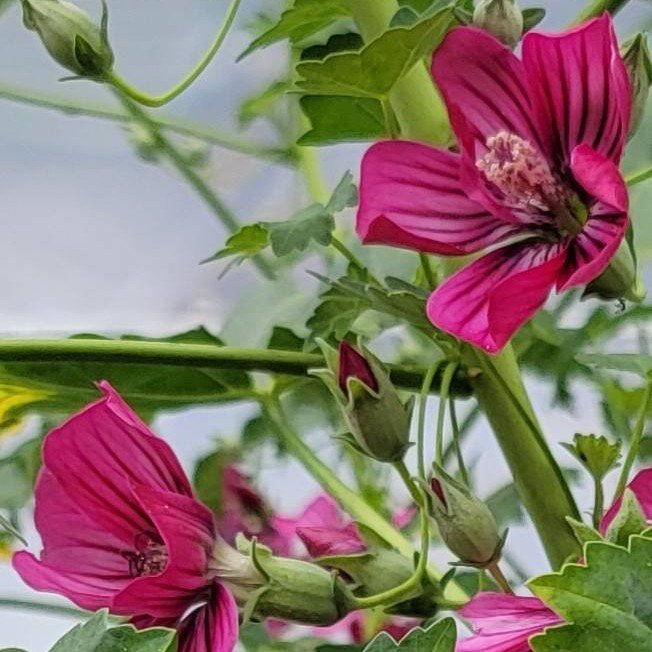

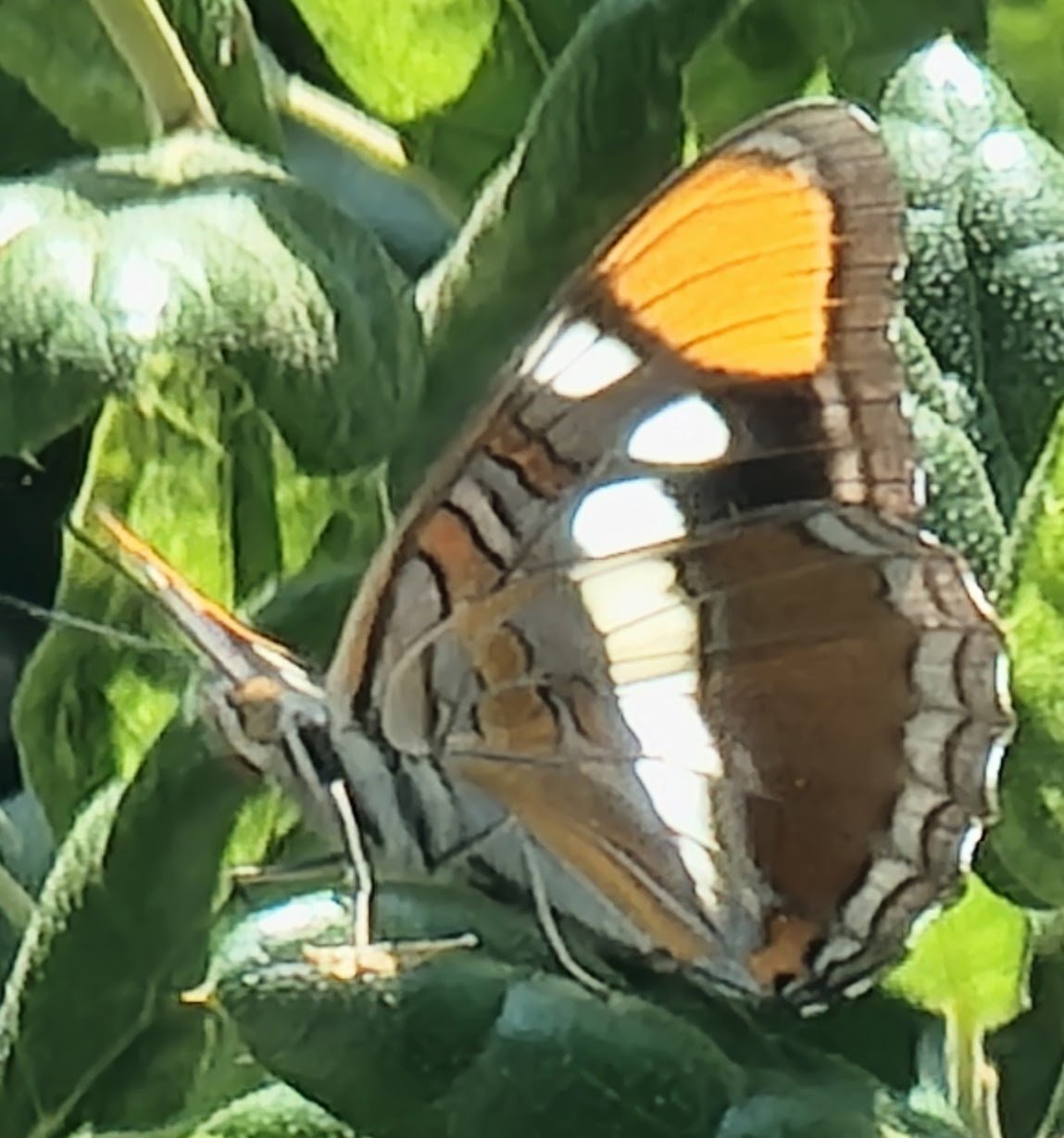

Zero Pesticides
We support organic practices, utilizing the natural food web to control pests and return habitat to pollinators.
03

Landscaping
Garden plans aim to include at least 40% native plants. Of course there is room for people food too!
04